
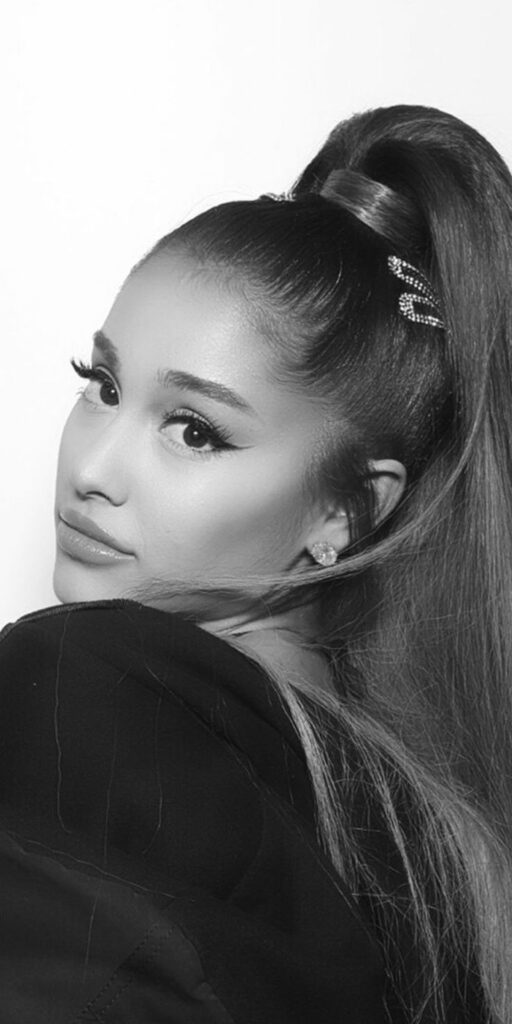

Some artists dominate charts. Others quietly reshape the way pop music sounds and feels. Ariana Grande belongs to the rare group that has done both.
Any Ariana Grande biography that focuses only on streaming records or vocal statistics misses the deeper story. Her career has unfolded in full view of the public, evolving from a teenage sitcom actress into one of the defining musical voices of the 21st century. Along the way, she has navigated extraordinary success, devastating loss, relentless scrutiny, and the challenge of maintaining artistic identity inside one of the world’s most demanding entertainment industries.
What makes Grande culturally significant is not simply her remarkable voice. It is her ability to transform deeply personal experiences into music that resonates across generations. Her albums often read like emotional journals, documenting grief, healing, self-discovery, love, and reinvention with unusual honesty for mainstream pop.
Her journey reflects the complicated reality of modern celebrity. Millions have watched her grow from an ambitious theater kid into an artist who now commands creative authority over her music, business ventures, and acting career. That evolution lies at the heart of every meaningful Ariana Grande career story.
Ariana Grande: The Theater Kid & The Red Hair
Long before arenas and Grammy Awards, Ariana Grande-Butera was a child immersed in theater.
Born on June 26, 1993, in Boca Raton, Florida, she developed an affinity for performing almost as naturally as speaking. Community theater productions soon led to larger opportunities, where directors recognized not only her vocal ability but also her unusually mature sense of musical phrasing.
Her first major professional breakthrough arrived on Broadway in 13. Although the production enjoyed only a brief run, it introduced Grande to the discipline required of professional performers. Eight shows each week demanded consistency, vocal endurance, and emotional precision, lessons that would remain central throughout her career.
Television soon opened another door
See also: http://Novaline.com.ng
Nickelodeon’s Victorious introduced audiences to Cat Valentine, the lovable, eccentric red-haired character who quickly became a fan favorite. The role showcased Grande’s comedic instincts but also unintentionally created a challenge. Many viewers saw only the bubbly sitcom personality, unaware that behind the exaggerated voice was a singer studying classic R&B runs, jazz phrasing, and contemporary vocal technique.
The spin-off Sam & Cat expanded her television popularity, yet Grande increasingly found herself eager to be recognized as a serious recording artist rather than simply another child star crossing into music.
She approached that transition strategically. Instead of chasing whatever style happened to dominate radio, she leaned into the vocal traditions that had inspired her since childhood. The decision carried risk, but it would ultimately distinguish her from nearly every pop newcomer of her generation.
The Early Career Milestones of Ariana Grande
- Born in Boca Raton, Florida, on June 26, 1993.
- Developed through local theater before earning a Broadway role in 13.
- Rose to international recognition as Cat Valentine on Victorious.
- Continued television success with Sam & Cat.
- Quietly refined her vocal technique while preparing for a professional music career.
Vocal Architecture & The Breakthrough Era
The most fascinating chapter of the Ariana Grande musical evolution is not merely that her voice became bigger. It became more intentional.
Her debut album, Yours Truly (2013), served almost as a declaration of musical identity. Rather than conforming to the electronic dance-pop dominating radio, Grande embraced lush harmonies, live instrumentation, and unmistakable R&B influences. Critics immediately noticed echoes of Mariah Carey, comparisons that were both flattering and difficult to escape.
Instead of resisting them outright, Grande gradually expanded her artistic vocabulary.
Her celebrated Ariana Grande vocal range, spanning approximately four octaves with access to an agile whistle register, became only one aspect of her musicianship. Equally impressive was her command of vocal layering, breath control, harmony construction, and emotional restraint. She rarely sang simply to demonstrate technical ability. Her arrangements increasingly prioritized atmosphere and storytelling.
Influences from Whitney Houston’s emotional authority, Mariah Carey’s intricate melisma, and Imogen Heap’s experimental vocal textures slowly merged into something uniquely her own.
My Everything broadened her commercial reach without sacrificing vocal complexity. Songs moved confidently between R&B, EDM, hip-hop collaborations, and contemporary pop.
Then came Dangerous Woman.
The album marked perhaps the clearest turning point in Grande’s artistic identity. The vocals carried greater weight, the songwriting embraced vulnerability alongside confidence, and the production reflected an artist no longer asking permission to define herself.
The title itself felt symbolic. Grande was stepping beyond the expectations placed on former child actors and embracing creative adulthood on her own terms.
Tragedy, Resilience, and Reclaiming the Narrative
Few modern pop stars have endured public trauma as profound as Ariana Grande.
On May 22, 2017, following her concert in Manchester, England, a terrorist bombing outside the arena claimed the lives of 22 people and injured hundreds more.
The tragedy altered not only Grande’s life but also her relationship with fame.
For weeks, she largely withdrew from public view before returning with remarkable purpose. Rather than allowing violence to define the moment, she organized the One Love Manchester benefit concert, bringing together artists and survivors in an event centered on healing, solidarity, and compassion.
The concert became one of the defining humanitarian moments in modern pop music, illustrating that an artist’s influence can extend far beyond performance.
The following year brought another devastating personal loss.
The death of rapper Mac Miller, with whom Grande had shared a deeply meaningful relationship, intensified an already overwhelming emotional landscape. Public grief became inseparable from public commentary, forcing her to process unimaginable pain while existing beneath constant media attention.
This emotional reality shaped both the Sweetener album and the landmark Thank U Next era.
Sweetener carries moments of optimism and recovery, balancing warmth with vulnerability. The production frequently feels weightless, yet beneath its brightness lies an unmistakable awareness of fragility.
Then came Thank U, Next.
Released with extraordinary speed, the album abandoned polished celebrity narratives in favor of radical emotional honesty. Grande wrote openly about heartbreak, anxiety, self-reflection, and personal growth without presenting herself as perfectly healed.
Rather than framing resilience as invincibility, she portrayed it as an ongoing process.
Fans responded because they recognized something deeply human: grief rarely follows clean chapters. Healing often overlaps with uncertainty, humor, nostalgia, and hope.
That authenticity transformed her connection with listeners. She was no longer simply performing for them. She was processing life alongside them.
Maturation, Wicked, and Executive Autonomy
As Ariana Grande entered her thirties, her career became increasingly defined by creative control rather than constant reinvention.
Positions revealed a vocalist growing more relaxed and technically refined. Instead of relying on vocal fireworks, Grande embraced softer dynamics, intricate harmonies, and understated confidence. Her performances reflected remarkable maturity, rewarding careful listening rather than demanding attention.
Behind the scenes, she expanded her role as a vocal arranger and collaborator. Her layered harmonies, once admired by vocal enthusiasts, became one of the signatures that distinguished her recordings from much of contemporary pop.
Entrepreneurship soon became another pillar of her career.
The launch of r.e.m. beauty demonstrated an approach similar to her music: thoughtful branding, long-term development, and direct creative involvement. Rather than lending only her name, Grande helped shape product identity and aesthetic direction.
Then came the realization of a childhood dream.
Being cast as Glinda in Wicked represented the culmination of decades spent studying musical theater. For audiences who first encountered her through Broadway and Nickelodeon, the role felt less like a surprising career pivot and more like a homecoming.
Her performance reunited the two artistic identities that had always existed side by side: the disciplined theater performer and the globally recognized pop superstar.
With Eternal Sunshine, Grande continued embracing emotional nuance over spectacle. The album reflected an artist increasingly comfortable allowing silence, subtlety, and introspection to occupy space alongside vocal brilliance.
Rather than chasing trends, she appeared more interested in preserving artistic longevity.
Ariana Grande: The Human Behind the Icon
Living under constant public attention has inevitably shaped Ariana Grande’s relationship with fame.
She has spoken candidly about anxiety, emotional exhaustion, and the pressures of existing inside an always-on media environment where every appearance, lyric, or personal relationship can become global conversation.
Protecting her voice has become equally important.
Grande treats vocal health as both an artistic responsibility and a professional necessity, carefully managing touring schedules, rest, hydration, and technique to preserve one of contemporary music’s most recognizable instruments.
Her personal life continues to attract extraordinary interest, often overshadowing her creative achievements. Yet across interviews and artistic choices, she has increasingly redirected attention toward the work itself rather than the headlines surrounding it.
That shift reflects a broader transformation.
The young performer once eager to prove she belonged now creates from a place of confidence rather than validation.
Key Takeaways From the Biography of Ariana Grande
| Highlight | Why It Matters |
|---|---|
| Broadway Foundations | Early theater training established the discipline and vocal technique that continue to define her performances. |
| Musical Identity | The Ariana Grande musical evolution demonstrates a deliberate fusion of R&B, pop, soul, and theatrical precision. |
| Exceptional Voice | Her celebrated Ariana Grande vocal range, whistle register, harmony construction, and vocal arranging place her among the finest vocalists of her generation. |
| Turning Pain into Art | The Manchester tragedy, the Sweetener album, and the Thank U Next era reshaped both her songwriting and her relationship with audiences. |
| Creative Independence | Acting, producing, entrepreneurship, and starring as Glinda in Wicked reveal an artist whose influence extends well beyond music. |
| Lasting Legacy | Any comprehensive Ariana Grande biography ultimately tells the story of someone who refused to let public perception define her. Instead, she continuously rewrote her own narrative through artistry, empathy, and creative evolution. |
Ariana Grande’s legacy is still unfolding. The records, awards, and sold-out tours tell only part of the story. More enduring is the example she has set for a generation of artists navigating fame in the digital age: technical excellence matters, commercial success matters, but the courage to remain emotionally honest may be the achievement that lasts the longest.