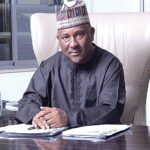


In 1997, a former corporate lawyer paid $7.7 million for six gold mine shafts that AngloGold no longer wanted. He had no cash upfront. Instead, he agreed to repay the debt out of whatever profit the mines produced. That gamble became African Rainbow Minerals, and the man who made it, Patrice Motsepe, became South Africa’s first Black billionaire within a decade. It sounds like a fairy tale. However, the real story involves grit, timing, and a willingness to bet on assets everyone else had written off.
From Soweto Childhood to Law Degree
See also: http://Novaline.com.ng
Mike Adenuga: How a Taxi-Driving Student Built Nigeria’s Telecom and Oil Empire
Patrice Tlhopane Motsepe was born on January 28, 1962, in Soweto, South Africa. His father had once been banished for speaking out against apartheid. Despite that hardship, the family later found stability when his father became a successful liquor distributor. Growing up under apartheid shaped Motsepe’s worldview early. He watched limited opportunities close doors for many Black South Africans around him. As a result, education became his clearest path forward.
Motsepe earned a law degree and went on to build a career as a corporate lawyer. In 1994, the same year South Africa held its first democratic elections, he made history again. He became the first Black partner at law firm Bowman Gilfillan in Johannesburg. That milestone, though significant, was just a stepping stone toward something bigger.
Patrice Motsepe Leaves Law for Mining
Legal work paid well, but Motsepe wanted more control over his future. He left the profession to start Future Mining, a contract mining services company. Rather than charging clients cash, he often took payment in a share of the minerals produced. This model taught him the economics of mining from the inside. Meanwhile, South Africa’s new Black Economic Empowerment laws began reshaping who could hold mining licenses. Under the new rules, companies needed a minimum of 26 percent Black ownership to qualify. Motsepe saw the opening clearly. In 1997, he purchased those six low-producing gold shafts from AngloGold. The deal structure let him repay the purchase price using future earnings instead of money he didn’t have. Consequently, he turned marginal, unwanted assets into a functioning business almost overnight.
Building African Rainbow Minerals
The company he founded became known as African Rainbow Minerals, or ARM. Under his leadership, ARM expanded well beyond gold into platinum, iron ore, chrome, and coal. By 2004, the business had grown into a multifaceted mining company with real scale. Today, ARM employs roughly 24,000 people, including permanent staff and contractors. The company generates billions of rand in annual revenue and holds assets across South Africa and neighboring countries like Zambia and the DRC. For instance, its diversified mineral portfolio helped it weather commodity price swings that crushed less balanced competitors. Motsepe didn’t stop at mining, though. In 2016, he launched African Rainbow Capital, a private equity firm focused on investing across the African continent. The firm has since backed companies in banking, insurance, and telecommunications, including digital lender TymeBank and mobile operator Rain.
Patrice Motsepe: The First Black African Billionaire
In 2008, Forbes added Patrice Motsepe to its global billionaire list. He became the first Black African to earn that distinction, a moment that carried weight far beyond his personal balance sheet. It signaled that Black-led enterprise could compete at the highest levels of African business. His fortune has fluctuated with commodity prices ever since, as mining wealth tends to do. Still, estimates in recent years have placed his net worth in the range of $3 billion to $3.7 billion. That places him consistently among the continent’s wealthiest individuals.
Giving Away Half His Fortune
Wealth, for Motsepe, was never just about accumulation. In 2013, he became the first African to sign the Giving Pledge, the commitment started by Bill Gates and Warren Buffett. Signatories promise to give away at least half their wealth during their lifetime or at death. He backs that promise through the Motsepe Foundation, which he and his wife established in 1999. The foundation funds education, healthcare, and poverty relief programs across South Africa and beyond. Additionally, Motsepe has pledged hundreds of millions of dollars toward land reform initiatives in his home country. His wife, Dr. Precious Moloi-Motsepe, shares this philanthropic drive. She founded African Fashion International and works alongside him on many of the foundation’s initiatives. Together, they’ve built a partnership that blends business success with genuine social investment.
Patrice Motsepe and His Football Empire
Business wasn’t Motsepe’s only obsession. He owns Mamelodi Sundowns, one of South Africa’s most successful football clubs, and has poured resources into its growth. Under his ownership, the club became a dominant force in South African football. His influence in the sport eventually reached the continental stage. In March 2021, Motsepe was elected president of the Confederation of African Football, known as CAF. In that role, he has pushed to reform competition structures and expand football’s commercial reach across Africa. This move surprised some observers who saw him purely as a mining magnate. However, it fit a broader pattern in his career: spotting undervalued opportunities and investing patiently. Football administration, like those old gold shafts, was another asset others hadn’t fully developed.
A Legacy Still Being Written
Patrice Motsepe’s story rarely gets told as a straight line from poverty to riches. He grew up with more stability than many Black South Africans during apartheid, thanks to his father’s business success. Even so, the barriers he faced entering elite business circles were real and steep. What sets him apart is the pattern he’s repeated across industries: mining, finance, media, and now football administration. He identifies overlooked value, negotiates smart deals, and builds long-term institutions rather than chasing quick wins. That discipline explains why African Rainbow Minerals has survived multiple commodity cycles. Ultimately, Motsepe’s influence stretches well past his balance sheet. He helped prove that Black-owned enterprise could scale to global significance in post-apartheid South Africa. For millions of aspiring entrepreneurs across the continent, that proof still matters more than any net worth figure.